Content Warnings
- 🟡 30/100 Mild romantic tension between characters.
- 🟡 40/100 Characters drinking alcohol at a party.
- 🔴 70/100 Knife fight between teenagers.
- 🔴 80/100 Fatal confrontation involving a gun.
- 🟡 30/100 Use of mild profanity.
- 🟡 60/100 Stronger language used in an argument.

Details for Rebel Without a Cause (1955)
Who directed Rebel Without a Cause (1955)?
Rebel Without a Cause was directed by Nicholas Ray.
What is the main theme of Rebel Without a Cause?
The main theme of Rebel Without a Cause revolves around teenage rebellion, angst, and the struggle for identity, set against the backdrop of 1950s American suburban life.
What role does James Dean play in Rebel Without a Cause?
James Dean plays the lead role of Jim Stark, a troubled teenager who moves to a new town and struggles with alienation and conflicts with his peers and parents.
Who are the other main actors in Rebel Without a Cause?
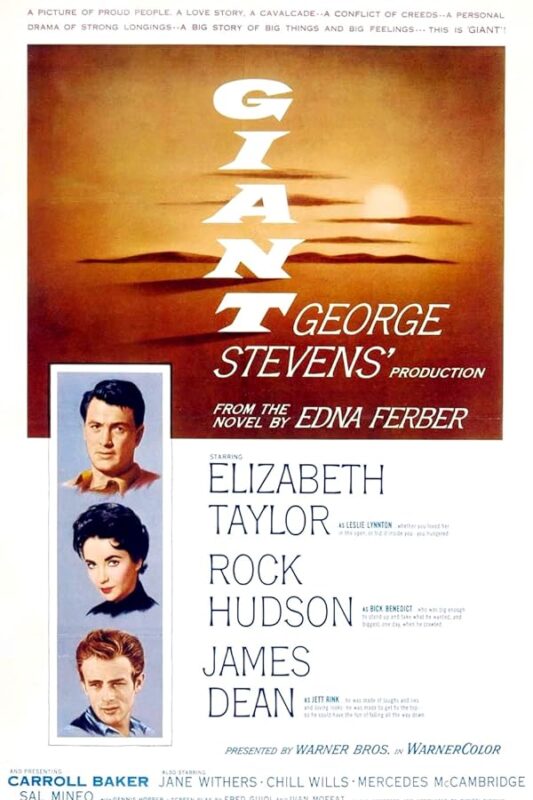
The other main actors in Rebel Without a Cause include Natalie Wood as Judy, Sal Mineo as John 'Plato' Crawford, and Jim Backus as Frank Stark, Jim's father.
Why is Rebel Without a Cause considered a classic?
Rebel Without a Cause is considered a classic due to its groundbreaking portrayal of teenage disillusionment, James Dean's iconic performance, and its influence on youth culture and cinema in the 1950s and beyond.