Horror
Horror Films and Content Analysis
The horror genre in cinema has consistently pushed boundaries regarding adult content, with many landmark films containing significant violence, sexual themes, disturbing imagery, and strong language. These elements often serve to enhance the unsettling atmosphere and explore deeper societal fears.
Classic Horror Foundations
Early horror films established many tropes while often containing surprisingly dark themes for their eras:
- Nosferatu (1922) - This unauthorized Dracula adaptation features disturbing vampire imagery and themes of plague and contamination that remain unsettling.
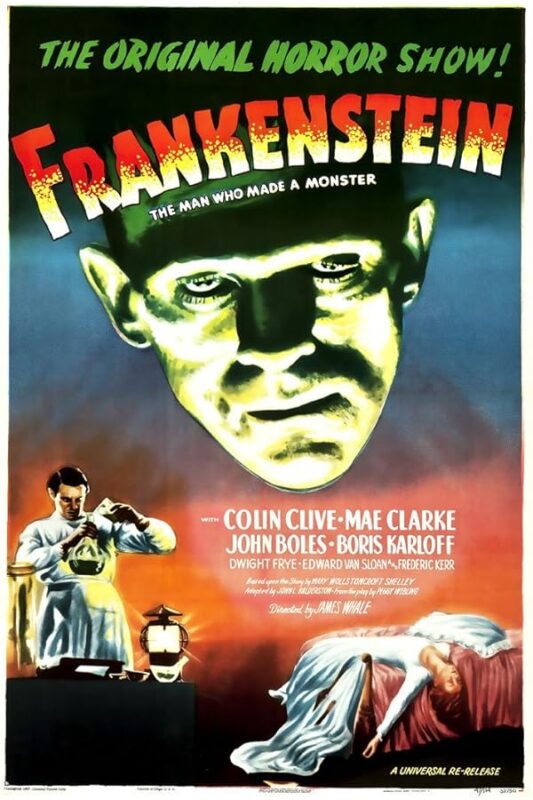
- Frankenstein (1931) - Contains violent scenes and themes of scientific hubris, body horror, and societal rejection.
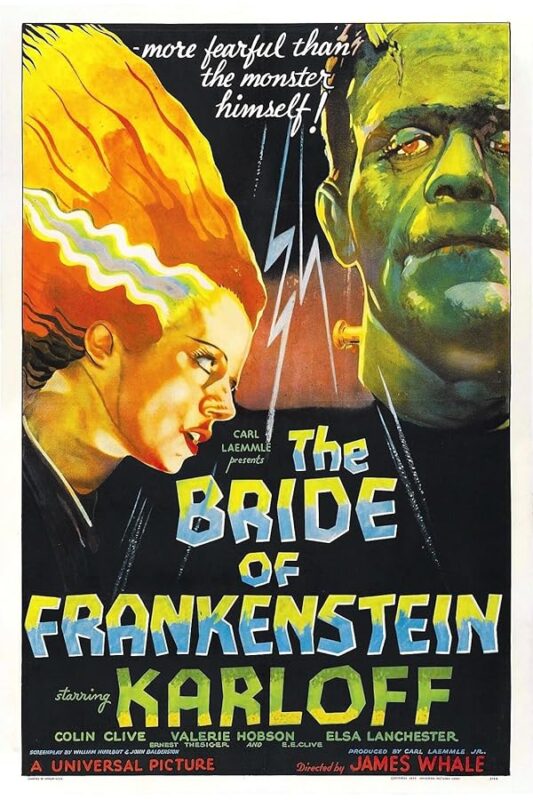
- Bride of Frankenstein (1935) - Expands on the original with more complex themes of creation, sexuality, and monstrous relationships.
Psychological Horror and Disturbing Themes
These films often contain intense psychological elements and adult situations:
- Psycho (1960) - Features violent murder scenes, sexual themes, and psychological breakdown that shocked audiences.
- Rosemary's Baby (1968) - Contains themes of sexual violation, satanic ritual, and psychological manipulation.
- Repulsion (1965) - Explores mental deterioration with disturbing imagery and sexual repression.
- Les yeux sans visage (1960) - Features graphic surgical scenes and body horror that remain shocking.
Modern Horror and Extreme Content
Contemporary horror often features explicit violence and adult themes:
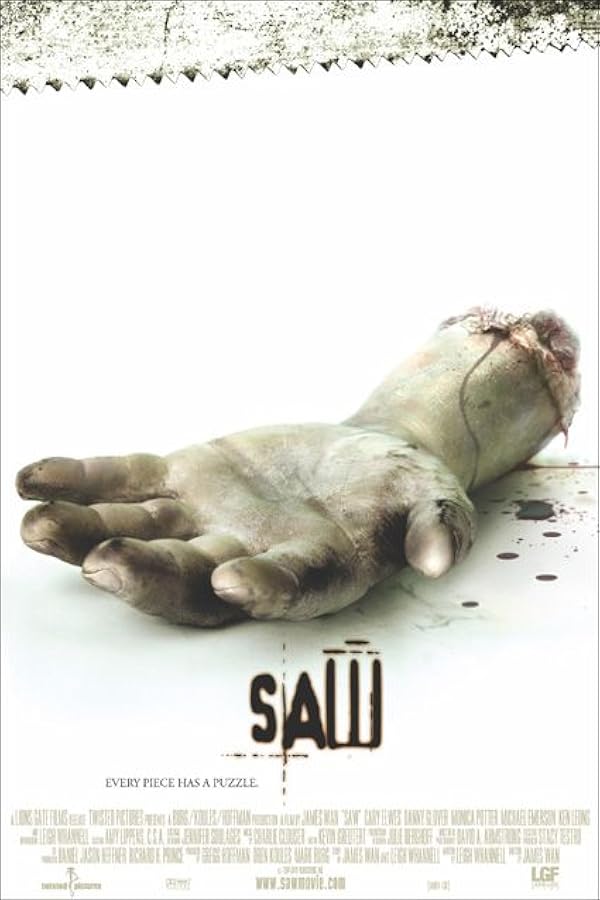
- Saw (2004) - Pioneered the "torture porn" subgenre with extreme graphic violence and disturbing psychological games.
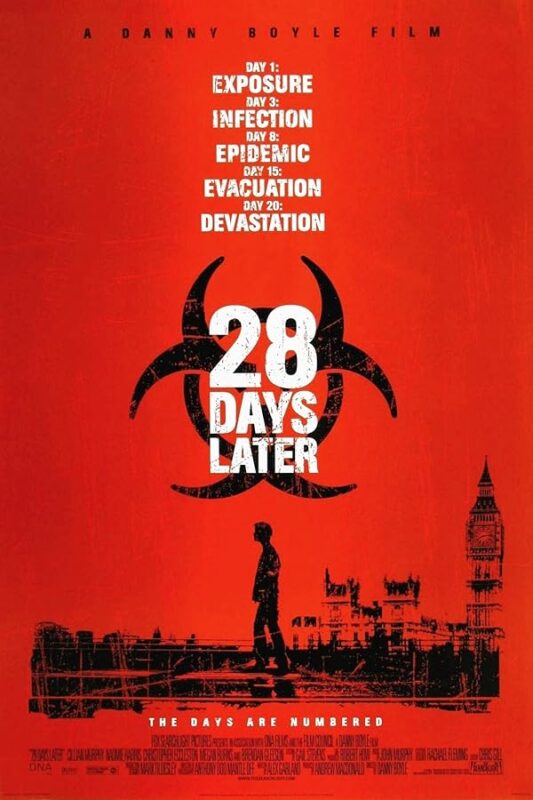
- 28 Days Later... (2002) - Features intense zombie violence, strong language, and post-apocalyptic horror.
- Get Out (2017) - Contains psychological terror, body horror, and explores racial themes with disturbing implications.
Social Commentary Through Horror
These films use horror elements to explore societal issues:
- Freaks (1932) - Controversial for its portrayal of actual circus performers, containing themes of otherness and revenge.
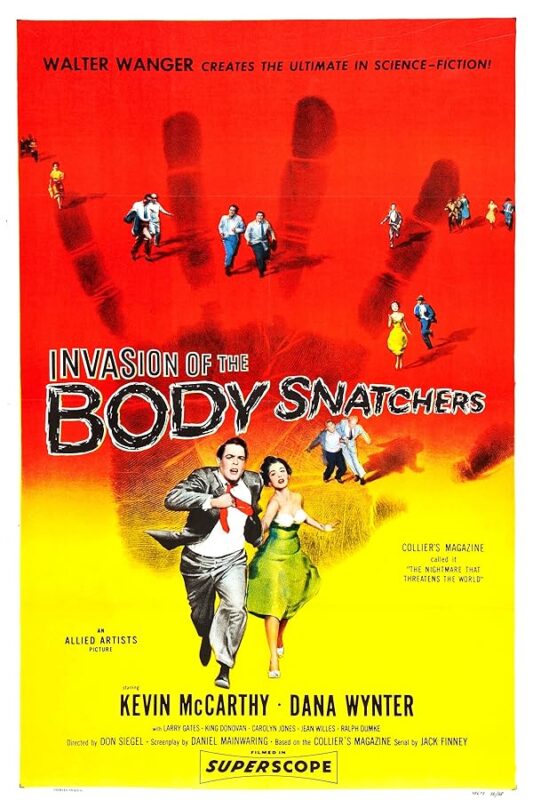
- Invasion of the Body Snatchers (1956) - Cold War paranoia and themes of identity loss with disturbing body horror elements.
- Night of the Living Dead (1968) - Features graphic zombie violence and social commentary with disturbing imagery.
Horror-Comedy and Genre Blending
Even horror-comedies can contain adult content:
- Shaun of the Dead (2004) - While comedic, contains zombie violence and gore alongside strong language.
- What We Do in the Shadows (2014) - Features vampire violence and adult humor despite its comedic tone.